

中国明珠集团|Groupe Pearl
Rain or shine, delivered on time
👪Happy Mid-autumn Festival👪
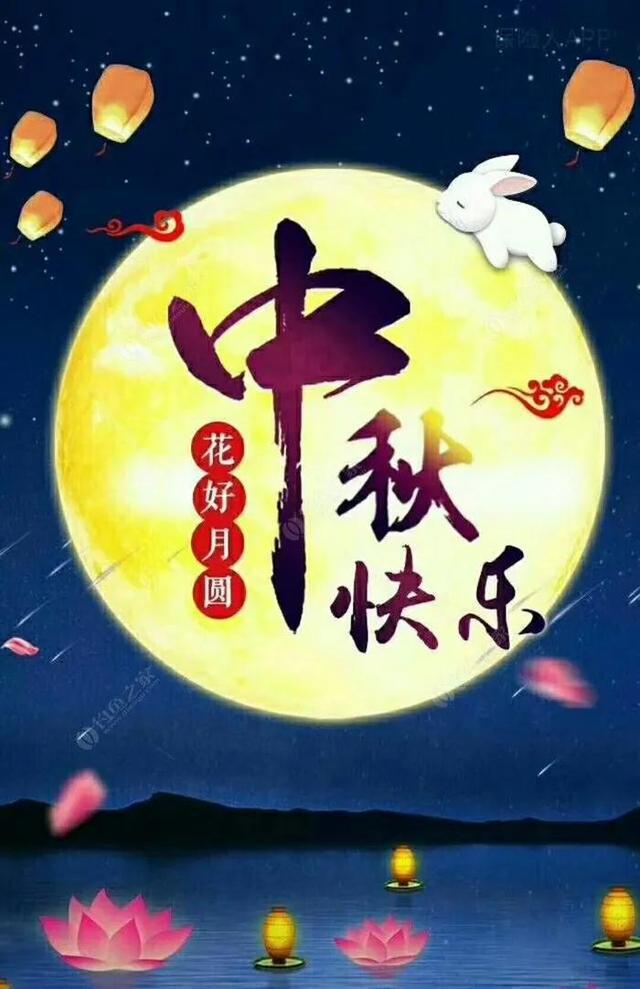
祝大家中秋节快乐
-
中秋”一词,最早见于《周礼》。根据我国古代历法,因为秋季的第二月叫仲秋,且又因农历八月十五日,在八月中旬,故称“中秋”。到了唐朝初年,中秋节中秋节才成为了固定的节日。
-
每年农历八月十五日,是传统的中秋佳节。这时是一年秋季的中期,所以被称为中秋。在中国的农历里,一年分为四季,每季又分为孟、仲、季三个部分,因而中秋也称仲秋。八月十五的月亮比其他几个月的满月更圆,更明亮,所以又叫做“月夕”,“八月节”。
-
明月洒光,洒出人间无限浪漫;桂花飘香,飘出大地五彩缤纷;月饼圆圆,圆出家人欢声笑语;祝你中秋快乐!永远平安!
-
The term 'Mid Autumn Festival' was first seen in 'Zhou Li'. According to the ancient Chinese calendar, the second month of autumn is called Mid Autumn, and the 15th day of the eighth month in the lunar calendar is in the middle of August, so it is called "Mid Autumn". In the early Tang Dynasty, the Mid-Autumn Festival Mid-Autumn Festival became a fixed festival.
-
The 15th day of the eighth lunar month is the traditional Mid Autumn Festival. This is the mid autumn of the year, so it is called the Mid Autumn Festival. In the Chinese lunar calendar, a year is divided into four seasons, and each season is further divided into three parts: Meng, Zhong, and Ji. Therefore, the Mid Autumn Festival is also known as Mid Autumn. The moon on August 15th is rounder and brighter than the full moon in other months, so it is also called "Moon Festival" or "August Festival".
-
The bright moon shines brightly, showcasing infinite romance in the world; The fragrance of osmanthus wafts out of the earth in colorful colors; The mooncakes are round, giving rise to family laughter and laughter; Wishing you a happy Mid Autumn Festival! Forever peace!
- Kind regards
- Chief Executive Officer
- MZ Aria.
Comments
Social
Information
You are the visitor!
你就是第 位访客!

- Le Groupe Pearl a été créé le 8 avril 2023 avec l'idée de posséder un VTC qui n'existe pas encore sur les routes de TMP. Une famille active, sympathique et expérimentée sur les routes découvertes par ETS et ATS. C'est Brooke, Aria., Kate - U qui ont construit ensemble que nous poursuivons maintenant ces objectifs en tant qu'équipe et en tant que famille.

- The purpose of Mingzhu Group's establishment is to provide more drivers with the joy of the Vocational Training Bureau. Today, team members will participate in community activities on Fridays and Saturdays! Each activity has over 200 participants, and we are achieving our goal of making drivers happy.

- Des questions? Si c'est le cas, n'hésitez pas à rejoindre notre discord et à contacter quelqu'un de l'équipe de direction. Nous vous répondrons dès que possible.
Tag: MZ-000-VTC
Language: Chinese (Simplified)
Created: 08 Apr 2023 8:52 UTC
Supported Game
DLCs Required: 0
Minimum Account Age: No restriction
Owner: Yan岩
Members: 167
Recruitment: Closed

Latest News
- Bye-bye CD Road 07 May 8:30 UTC
- TruckersMP 12 Year Anniversary 24 Apr 17:56 UTC
- TruckersMP 2025 Recap 18 Apr 9:00 UTC
Useful Links
Support TruckersMP
2026 © All Rights Reserved. Privacy Policy | Terms of Service | Rules | Code of Conduct | Platform Status | RSS | Consent Manager